Filters
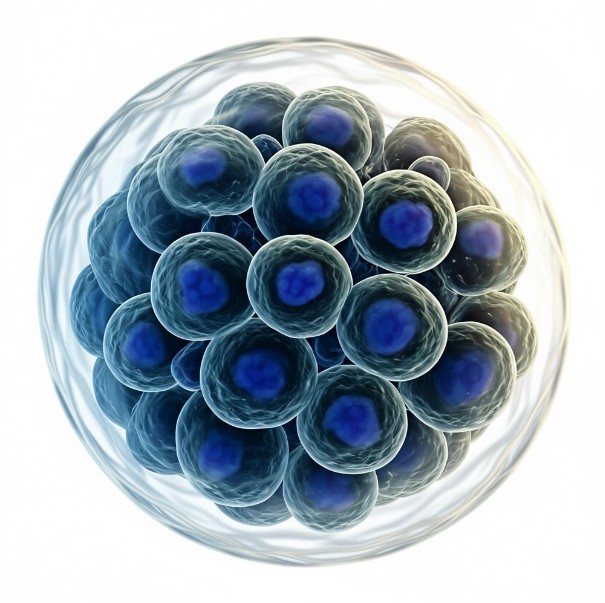
3D cell culture creates an environment where cells can grow and communicate with each other in all directions, closely mimicking how they behave inside living tissues. Instead of spreading flat, as in traditional 2D cultures, the cells form three-dimensional structures that capture the complexity of real biology. In this setup, cells are supported by scaffolds, hydrogels, or matrix-like materials that act as an extracellular framework. This allows them to interact more naturally, undergo differentiation, and develop into models that resemble real tissues or organ-like structures. Because of this biological relevance, 3D cell culture is now a key tool in drug discovery, cancer research, tissue engineering, and regenerative medicine. Researchers rely on it to better understand cell behavior and to design therapies in a way that reflects what actually happens inside the human body.
No products found
Try adjusting your search or filter criteria